
Essential Safety: Anti-Ligature Products in Health Facilities

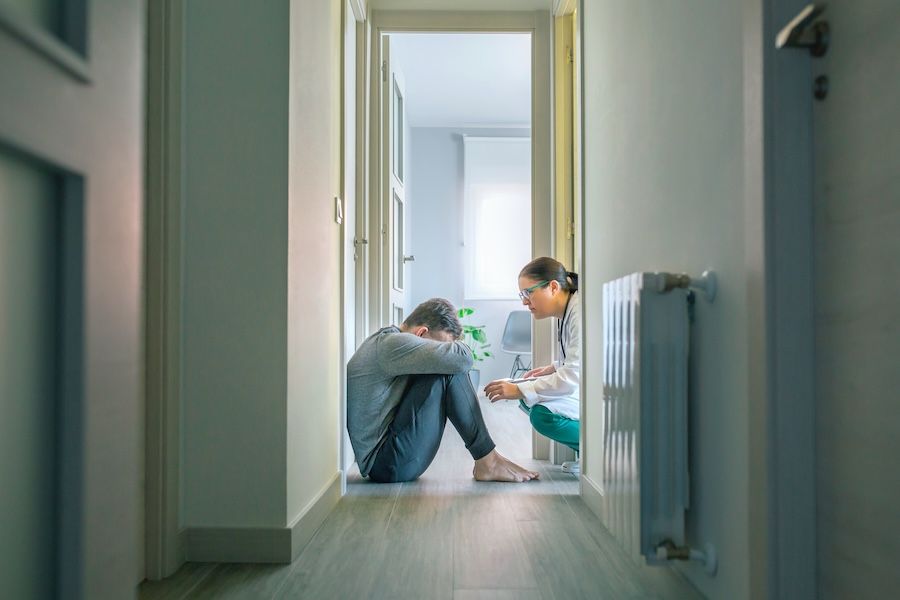
In facilities that care for vulnerable people, like psychiatric hospitals, behavioural health units, and correctional centres, safety is obviously the number one priority. A hidden risk in these environments is the potential for self-harm, specifically from ligature points.
A ligature point is anything that can be used to attach a cord, rope, or sheet to create a point of suspension. This might be a door hinge, a clothing hook, a shower head, or even a piece of furniture that creates a sharp edge. Removing these risks is a critical step in saving lives.
This article details how specialized anti-ligature safety equipment and furniture are designed to eliminate these dangerous points. We will explore the unique design principles, the importance of proper installation, and how these products contribute to a safer, more therapeutic environment for patients and residents. Understanding this specialized gear is essential for anyone responsible for the safety of these facilities.
What is Ligature Risk and Why Design Matters
Ligature risk refers to the potential for a person to use an object in the environment to attempt suicide by hanging or strangulation. In facilities where people are experiencing mental health crises or are highly distressed, removing this risk is mandatory. Standard furniture and fixtures are full of ligature points: handles, hinges, gaps, and rails.
Anti-ligature design is a specialized approach that focuses on minimizing or eliminating any object that could support a load or create an anchor point.
This is achieved through clever engineering. For example, standard door hinges are replaced with continuous hinges that have no gaps. Standard clothing hooks are replaced with magnetic or collapsible hooks that break away under minimal weight. The design goal is simple: create an environment that is clean, calming, and fundamentally safe, ensuring that the physical space supports the emotional and mental well-being of the residents.
Key Design Principles of Anti-Ligature Furniture
Anti-ligature furniture looks different from typical institutional furniture because its primary feature is the absence of hazardous elements. The core design principles focus on smooth lines, hidden anchors, and weighted bases:
- No Gaps or Protrusions: Furniture like institutional tables and seating is designed with smooth, rounded edges and fully enclosed bases. This prevents residents from attaching materials to the legs or frame.
- Weighted and Secured: Beds, tables, and safety furniture are often heavily weighted or bolted directly to the floor. This prevents the items from being moved, tipped over, or used as a barricade or weapon.
- Sloped Surfaces: Many fixtures, such as lighting covers or vent grilles, are installed at an angle. This makes it impossible for someone to loop a cord over the top, removing the ligature point entirely.
These principles combine to create a secure environment. The furniture itself becomes a tool for safety, subtly supporting the facility's mission to protect its residents.
Anti-Ligature Fixtures: Door Hardware and Bathroom Safety
The highest risk areas in any institutional setting are often doors, windows, and bathrooms. These areas require specialized anti-ligature fixtures to ensure safety.
- Door and Window Hardware: Door handles are replaced with sloping, recessed pulls or knobs that offer no purchase for a cord. Similarly, anti-ligature hinges are continuous along the door frame, eliminating the gap where fabric could be tied. Window mechanisms are designed to allow only limited opening, or they use shatter-resistant materials.
- Bathroom Fixtures: This is a crucial area. Standard showerheads, towel bars, and faucets are removed. They are replaced with designs that feature rounded shapes and concealed attachments. For example, a showerhead might be integrated directly into the ceiling or a wall panel without any exposed piping. Toilet roll holders and soap dispensers are designed to break away easily if a load is applied. These fixtures are essential for creating a safe, private space within the unit.
Specialized Products for Behavioral Health
Beyond general furniture, there are highly specialized anti-ligature safety equipment items designed specifically for behavioural health settings. These products directly address common methods of self-harm, providing immediate safety improvements:
- High-Risk Bedding: This includes mattresses, pillows, and blankets made from durable, tear-resistant material. They are designed to be impossible to rip into strips or threads that could be used as a ligature. These items are often flame-resistant and easy to clean, meeting high standards for hygiene and safety.
- Suicide Prevention Products: This category includes items like the collapsible coat hook mentioned earlier or specialized ceiling tiles that are engineered to yield and fall away under a small amount of weight. These innovations ensure that even seemingly harmless everyday items cannot be weaponized against the user.
These specialized products represent a significant shift in institutional design, prioritizing the well-being of the resident through preventative measures.
The Importance of Proper Installation
Even the most advanced anti-ligature product is useless if it’s installed incorrectly. Proper installation is a non-negotiable step in maintaining a safe environment. All furniture must be secured exactly according to the manufacturer's instructions.
I
f a weighted piece of furniture is left unsecured, it can still be moved to create a ligature point near a window or door frame.
Facility maintenance staff and contractors must be trained to understand the principles of anti-ligature design. They need to ensure that no gaps are left between the wall and the fixture, and that all exposed hardware is eliminated or concealed.
A gap of even a few millimetres can be enough to secure a piece of fabric. Regular audits are also necessary to ensure that fixtures haven't become loose or damaged over time, which could inadvertently create a new risk.
PSP Corp: Supplying Life-Saving Anti-Ligature Gear
At PSP Corp, we recognize the critical nature of institutional safety. We are proud to be a trusted supplier of specialized anti-ligature safety equipment for Canadian behavioural health facilities and correctional centres.
Our inventory is specifically curated to meet the highest safety standards, featuring products designed for maximum risk reduction. We offer a full range of products, including anti-ligature institutional tables and seating, specialized psychiatric restraint beds, high-risk bedding, and safety fixtures.
We source gear that meets the strict requirements of facility directors and security teams. You can rely on us for products that are not only designed to be ligature-free but also durable, easy to maintain, and reliable for long-term use. Our commitment is to provide the safety tools that allow your staff to focus on care, confident that the physical environment is secured.
Conclusion: Safety as a Foundation for Care
The decision to invest in anti-ligature furniture and fixtures is a commitment to the fundamental safety and well-being of residents and patients. By systematically removing ligature points from the environment, facilities create a safer space where staff can focus on therapeutic care rather than constant risk monitoring.
From the unique materials in high-risk bedding to the simple slopes on a fixture, the science of anti-ligature design saves lives. It is a necessary investment that supports the mission of healing and recovery, making safety the foundation of every facility.