Understanding PPE Standards for Law Enforcement


When you put on your gear every day, you need to know it will protect you. For law enforcement, military, and first responders, personal protective equipment (PPE) isn't optional; it's the barrier between safety and serious harm.
But how do you know if that barrier is strong enough? The answer lies in strict testing and certification.
In Canada, your gear must meet demanding standards set by organizations like the Canadian Standards Association (CSA) and the National Institute of Justice (NIJ). These standards aren't just letters and numbers; they represent rigorous testing to ensure your equipment can withstand specific threats.
This article will break down the most important PPE standards Canada relies on. We'll explain what these certification levels mean, how they apply to different types of gear, and why choosing compliant equipment is the single most important decision you can make for your safety.
Why Standards Matter: A Measure of Trust
Your life depends on your vest, your helmet, your gloves. You wouldn't want that gear to just be "pretty good." You need it to be proven.
That’s the core reason these standards exist. They take the guesswork out of purchasing critical safety equipment. Standards are a uniform set of tests that every piece of gear must pass before it can be certified. This means that a NIJ Level III vest from one certified manufacturer should offer the same core protection as a Level III vest from any other certified manufacturer.
Compliance with these standards is a legal and ethical requirement for agencies. It ensures that the protective quality of the equipment is objective, measurable, and reliable. Without these standards, the market would be flooded with unproven and potentially dangerous gear. Following these guidelines is how departments demonstrate due diligence and protect their officers.
The Canadian Standard: CSA International
The Canadian Standards Association (CSA Group) is a non-profit organization that develops standards for various products, including safety equipment used in workplaces across Canada.
While the NIJ focuses specifically on ballistic protection, the CSA is often involved in setting benchmarks for non-ballistic PPE - the gear that protects against environmental, industrial, or physical hazards.
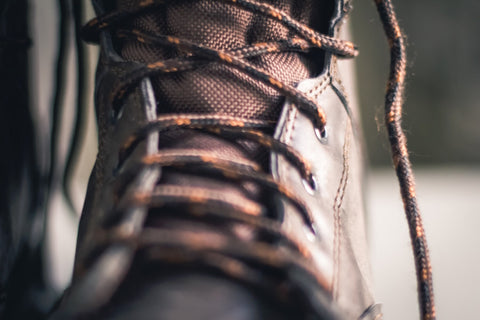
For law enforcement, CSA standards are crucial for items like safety footwear, head protection, and high-visibility clothing. For example, CSA's standard for safety footwear outlines requirements for toe protection, sole puncture resistance, and electrical shock resistance.
When you see the official CSA marking on your gear, it means that the product has been tested to meet the high safety and performance requirements established for Canadian workplaces. Look for the CSA stamp - it’s a simple visual guarantee that the product has been evaluated by an independent body.
The Gold Standard for Ballistics: NIJ
The National Institute of Justice (NIJ) is the research and development arm of the U.S. Department of Justice, and it sets the internationally recognized standards for ballistic-resistant body armour. Although the NIJ is an American body, its standards are the universal benchmark for body armour used by police and military forces worldwide, including in Canada.
The current official standard is NIJ Standard-0101.07.
The NIJ standard classifies armour into different levels based on its ability to stop specific types of ammunition and impact energies. These tests are extremely rigorous and include not only stopping the bullet but also limiting the "back face deformation" - the dent the bullet makes in the armour. Too much deformation can cause blunt force trauma to the wearer, even if the bullet doesn't penetrate.
This holistic approach is why the NIJ certification is the most critical factor when choosing compliant gear.
Deconstructing NIJ Ballistic Protection Levels
The NIJ standards use clear labels to indicate the level of protection. Understanding these levels is essential for choosing the right armour for your duties:
- Level II: This is soft armour that provides protection against a range of handgun threats, typically lower-velocity rounds. It’s often used for covert or daily wear where the risk profile is moderate.
- Level IIIA: This is also soft armour, but it is tested to defeat higher-velocity handgun threats and shotgun slugs. This is one of the most common and versatile levels of protection used by patrol officers.
- Level III: This level requires hard or semi-rigid plates and is designed to stop rifle rounds, such as the common 7.62mm FMJ (NATO ball) round. This is the standard for tactical teams or military personnel.
- Level IV: This is the highest level of protection, requiring heavy-duty hard plates. It is tested to stop armour-piercing rifle ammunition. This is reserved for extremely high-risk operations.
When you're choosing body armour, you must balance the level of protection with the weight and flexibility needed for your specific job. A higher NIJ level means more protection, but it also usually means more weight and less mobility.
Beyond Ballistics: Stab and Spike Protection
While stopping bullets is the most publicized function of body armour, many officers face the risk of edged weapons such as knives, shanks, or spikes. The NIJ addresses this with a separate standard: NIJ Standard-0115.00 for Stab and Spike Resistance. This testing ensures the material can resist penetration from sharp objects that would easily bypass traditional ballistic material.
Stab protection is crucial for officers in corrections, security, and patrol roles where close-quarters confrontations are common. The protection levels here are categorized from Level 1 to Level 3, based on the energy the armour can withstand from a knife or spike attack.
Many modern vests combine both ballistic and stab protection to give officers a single, comprehensive piece of gear that addresses the full range of threats they face daily.
Choosing Compliant Gear: What to Look For
Choosing the right gear starts with verification. Never assume a product is compliant; you must confirm its certification. Here are the key steps to ensure you select NIJ-certified gear:
- Check the Label: Look for the official NIJ label sewn into the body armour carrier or the plate itself. This label will clearly state the NIJ Standard number (e.g., 0101.07), the Protection Level (e.g., IIIA or III), and the specific threat it was tested against.
- Verify the Certification: The NIJ maintains a public database of all certified body armour models. If a vendor claims a vest is NIJ-certified, you should be able to look up the exact model number in this online registry.
- Inspect CSA Marks: For non-ballistic gear like boots or helmets, look for the official CSA Mark to ensure compliance with Canadian safety standards.
At PSP Corp, we simplify this process by only supplying products that carry the verified certifications needed by Canadian law enforcement and security professionals. We are trusted by the military and law enforcement, ensuring every piece of gear meets the rigorous requirements set by both the NIJ and CSA. You can shop with confidence, knowing the protection levels are independently validated.
Your Safety is Non-Negotiable
Understanding PPE standards is not just a matter of compliance; it's a matter of life and death. The testing performed under CSA and NIJ standards ensures that when you step into harm's way, your gear will perform exactly as expected.
Take the time to verify the certification levels of your body armour, helmets, and footwear. You must choose gear that meets the exact threat profile of your job. By prioritizing certified and compliant equipment, you invest in your safety, your confidence, and your ability to serve effectively.