
Beyond the Fabric: The Science Behind Cut-Resistant Gloves

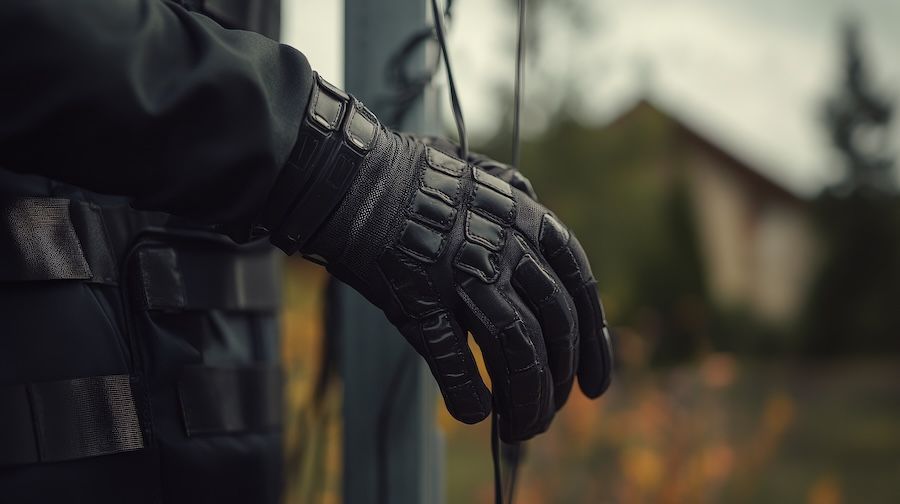
In high-stakes jobs like law enforcement, security, and emergency medical services (EMS), a pair of gloves is more than a simple piece of clothing. They are a critical layer of protection for your hands, which are your most important tools. But a standard glove isn't enough when facing threats from sharp objects like knives, broken glass, or needles.
That's where cut-resistant gloves come in. These gloves are built with advanced materials and technology to provide a high level of defence, without sacrificing dexterity or comfort.
This article will explore the science and technology that makes these gloves so effective. We'll look at the special materials they are made from, what the different protection ratings mean, and how to choose the right pair for your specific job. Understanding the science behind your gear is the first step to making an informed choice that will keep you safe in the line of duty.
The Power of Fibres: Materials That Stop Cuts
The magic behind cut-resistant gloves lies in the fibres they are made from. These are not your average fabrics; they are high-tech materials woven together to create a durable, protective shield.
The most common materials you'll find in cut-resistant gloves in Canada are Kevlar, Dyneema, and HPPE. Each one has its own unique properties.
- Kevlar: This material is a synthetic fibre known for its incredible strength. It's often used in body armour and is woven into a glove's fabric. Kevlar is especially good at resisting punctures and cuts from sharp edges. It's also heat-resistant, which is a big advantage.
- Dyneema: Often called the world's strongest fibre, Dyneema is an ultra-high-molecular-weight polyethylene. It's extremely lightweight but also incredibly strong. Gloves made with Dyneema are excellent at resisting cuts, and they are so light they feel almost like a second skin.
- HPPE (High-Performance Polyethylene): This material is similar to Dyneema, offering a great balance of strength, lightweight feel, and flexibility. HPPE is often used in a blend with other materials to create a glove that is both protective and comfortable.
These fibres are often blended or layered to create the perfect balance of cut resistance, comfort, and dexterity. The way they are woven also makes a difference; a tight, dense weave will provide better protection than a looser one.
Understanding Protection Ratings
When you're shopping for cut-resistant gloves, you'll see a rating system on the packaging. These ratings are set by an organization called the American National Standards Institute (ANSI). The ANSI cut resistance standard, known as ANSI/ISEA 105, uses a scale from A1 to A9. The "A" stands for abrasion, and the number indicates the level of cut resistance.
A glove with an A1 rating offers basic protection against minor cuts and scrapes. As the number goes up, the protection level increases significantly.
A glove with an A9 rating offers the highest level of cut resistance, designed to protect against severe threats. For most jobs, you won’t need an A9 rating, but it’s important to understand the scale so you can choose the right level of protection for your needs. The right glove for you depends on the type of threats you might face on the job.
Ideal Use Cases for Law Enforcement
Police officers face a wide range of unpredictable situations. When an officer is searching a suspect, they can encounter sharp objects like knives, razor blades, or needles hidden in pockets. A cut-resistant glove is a non-negotiable tool for these tasks. Gloves with an ANSI A5 rating are a good balance of protection and dexterity for most police work. They offer a high level of cut resistance without being too bulky, which allows officers to perform tasks like handling firearms or searching for evidence.
Gloves with high puncture resistance are also crucial for law enforcement, especially when dealing with discarded drug paraphernalia or other unknown sharps. The right pair of gloves allows officers to do their jobs with confidence, knowing their hands are protected from both accidental and intentional threats.
For EMS: Protection from the Unexpected
Paramedics and other EMS professionals are often the first to arrive at a chaotic scene. They might be dealing with a car accident where there is broken glass and sharp metal, or a medical emergency involving an agitated patient who might have a needle or other sharp object. Their gloves need to be able to protect them from these risks, as well as from blood and other bodily fluids.
Gloves with a good cut-resistance rating (usually between A3 and A5) are perfect for EMS. They need to be flexible enough to allow for delicate tasks like starting an IV or administering an injection. Many tactical gloves for paramedics are designed to be both cut-resistant and have a good grip, which is essential for working in wet or bloody conditions. Having a reliable pair of gloves gives EMS professionals the confidence to do their job without worrying about their personal safety.
The Role of Cut-Resistant Gloves in Corrections
Corrections officers face a unique set of challenges. They are often in close contact with inmates, and there is a constant risk of encountering homemade weapons or sharp objects.
Gloves for corrections officers need to be extremely durable and offer a high level of cut and puncture resistance. A glove with a high ANSI rating, like A7 or higher, might be necessary for this kind of work.
The gloves also need to be comfortable for long periods of wear, and they should allow for good tactile feedback. This is important for tasks like conducting searches or handling paperwork. The right pair of gloves for corrections officers provides a strong physical barrier that helps prevent injuries and keeps everyone safer in a volatile environment.
PSP Corp: Supplying Trust and Protection
When lives and safety are on the line, you need gear you can trust. At PSP Corp, we are proud to be a leading supplier of high-quality cut-resistant gloves Canada relies on. We offer a wide range of options from trusted brands that are known for their quality and durability. Our gloves are rigorously tested and come with clear ANSI ratings, so you know exactly what level of protection you are getting.
Our selection includes gloves made from advanced materials like Kevlar and Dyneema, designed for a variety of professions. Whether you are a police officer needing a balance of dexterity and protection or a corrections officer needing maximum cut resistance, we have the right gear for you.
Conclusion: Your Hands, Your Tools, Protected
Your hands are your most essential tools in the field. Protecting them from cuts, punctures, and other hazards is not just a choice; it's a necessity. The science behind cut-resistant gloves has made incredible progress, providing a level of protection that was once unimaginable.
By understanding the materials and ratings, you can make an informed decision and choose a glove that is perfectly suited to your job. Whether you work in law enforcement, EMS, or corrections, the right pair of gloves will give you the confidence to perform your duties safely and effectively.