Essential Holsters for Law Enforcement: Safety and Accessibility in the Field

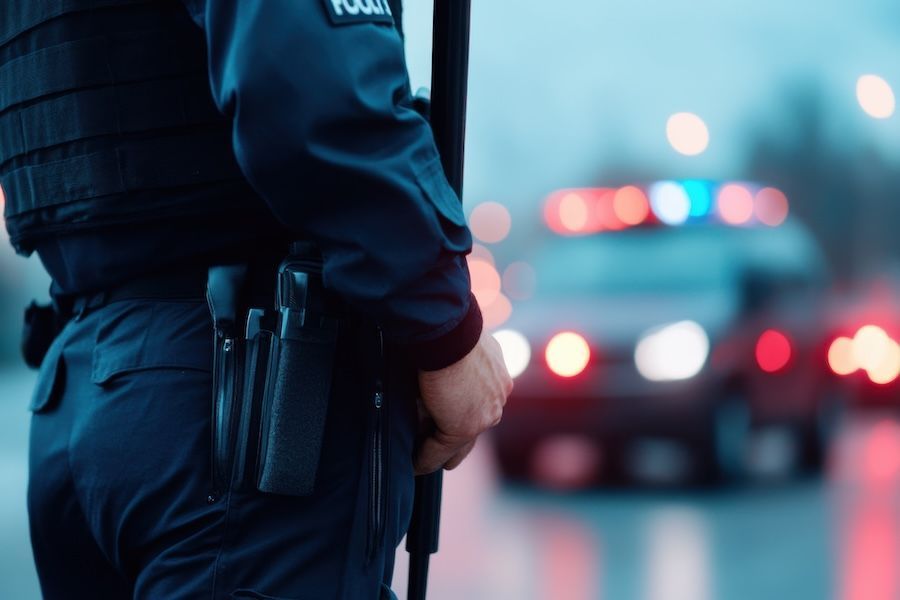
A holster is more than just a place to store your firearm. It’s a critical piece of gear that affects how quickly and safely you can draw your weapon when every second counts. The right holster provides a balance between accessibility, security, and comfort, helping you stay prepared in unpredictable situations.
Whether you're responding to a threat, securing a suspect, or simply navigating your shift, your holster plays a key role in your overall efficiency and safety.
A well-chosen holster can mean the difference between quick response and a struggle to draw when seconds matter. Different roles require different holster styles, from uniformed patrol officers to undercover agents and tactical teams. The right fit depends on your needs in the field.
The Importance of Retention and Accessibility
A holster should do two things exceptionally well: keep your firearm secure and allow you to draw it quickly when needed. Retention is what keeps your gun in place, preventing it from being taken in a struggle or falling out during movement.
Accessibility ensures that when the moment comes, you can grip and draw your firearm smoothly without fumbling or hesitation.
Retention levels are categorized to indicate how much security a holster provides.
A Level I holster relies on passive retention, meaning it holds the firearm snugly but doesn't have additional locking mechanisms. This allows for a fast draw but provides minimal security against someone trying to grab your weapon.
Level II holsters include an active retention system, like a thumb break or rotating hood, adding an extra layer of security while still allowing a quick release with the right technique.
Level III holsters go even further, incorporating multiple locking mechanisms that require deliberate actions to draw the firearm. These are ideal for officers working in high-risk environments where weapon retention is a priority. However, while higher retention levels offer more security, they also require more training to ensure a smooth, quick draw under pressure.
Duty Holsters: Standard for Uniformed Officers
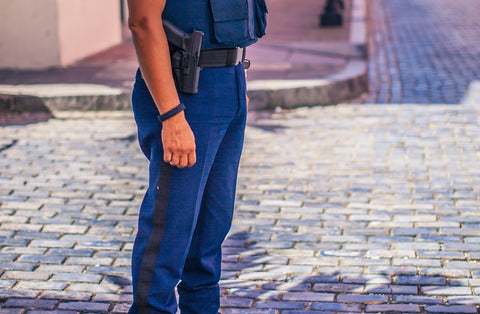
For uniformed officers, a duty holster is the go-to choice. These holsters are built to be durable, secure, and compatible with standard duty belts, ensuring they stay in place no matter how much you move throughout a shift. Unlike concealed carry holsters, which prioritize discretion, duty holsters focus on retention and ease of access.
Designed for open carry, they sit on the duty belt for easy access and often come with Level II or III retention features. These holsters need to be durable enough to withstand daily use, whether you’re on foot patrol, in a vehicle, or handling an arrest.
Most duty holsters are made from materials like Kydex, leather, or reinforced polymer, offering both strength and ease of maintenance. They are also shaped to ensure a smooth draw while preventing accidental disengagement. Many models include locking systems that automatically secure the firearm when reholstered, reducing the risk of it being grabbed by an attacker.
Comfort is another key factor. A duty holster should sit at the right height and angle for your draw style, preventing unnecessary strain on your hip and lower back. Since officers wear their holsters for long hours, weight distribution and adjustability make all the difference.
Concealed Carry Holsters: When Discretion Matters
Not every officer needs an openly carried firearm. Whether you’re working undercover, off-duty, or in plainclothes assignments, a concealed carry holster lets you keep your weapon hidden while ensuring quick access when needed.
Inside-the-waistband (IWB) holsters tuck inside your pants, making them one of the most discreet options. They sit close to the body and are ideal for deep concealment, but they require the right clothing and positioning to avoid printing (where the firearm’s outline is visible). Outside-the-waistband (OWB) holsters, on the other hand, offer a more natural draw and better comfort but require a jacket or untucked shirt for concealment.
Comfort is key with concealed carry. A poorly designed holster can dig into your side, shift while you move, or make it hard to sit comfortably. Adjustable clips, breathable materials, and a snug but secure fit can make all the difference. You need a holster that stays in place and allows you to draw smoothly without unnecessary movement or obstruction.
Retention still matters, even with concealed carry. While a concealed firearm is less likely to be targeted by an attacker, it still needs to stay secure during daily movement. A snug fit, proper trigger guard coverage, and a strong belt can make all the difference. The last thing you want is your firearm shifting or falling out during a chase or struggle.
The right concealed carry holster should let you move comfortably and draw quickly when needed. It should feel like a natural part of your daily attire, not a constant inconvenience. With so many options available, finding the perfect balance between concealability, comfort, and security takes some trial and error. But once you do, carrying concealed becomes second nature.
Tactical and Drop-Leg Holsters: Ideal for Specialized Operations
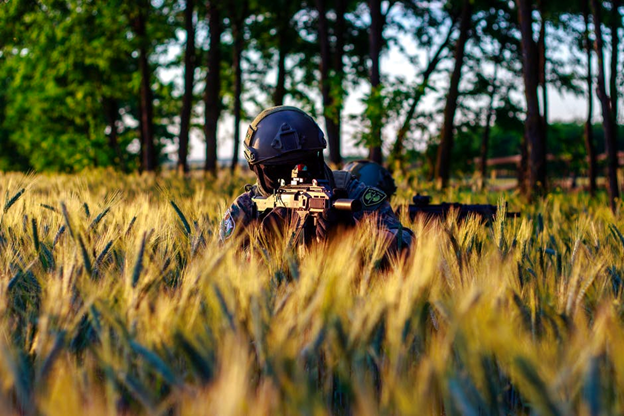
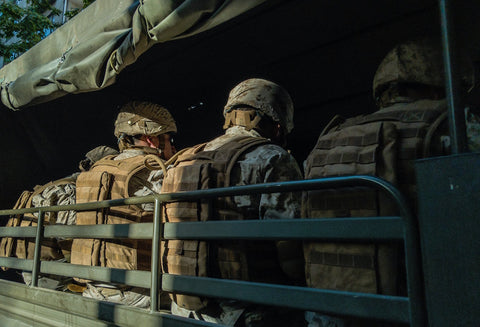
When speed, mobility, and accessibility are top priorities, tactical holsters come into play. These holsters are designed for high-risk situations where every movement counts. SWAT teams, K9 units, and officers involved in tactical operations often rely on drop-leg holsters for better access and improved weight distribution. Unlike traditional hip holsters, drop-leg holsters secure the firearm lower on the thigh, keeping it clear of bulky body armour or other gear.
One of the biggest advantages of a drop-leg holster is how quickly you can draw from it. Since it sits lower than a duty belt holster, your arm follows a more natural path to grip your firearm. This is especially useful when wearing heavy vests or tactical equipment that might otherwise obstruct access to your weapon. In fast-moving situations, fractions of a second matter.
Having your firearm positioned where you can reach it without interference can make all the difference.
Proper fit is critical. A well-fitted drop-leg holster offers quick access without getting in the way. It should stay secure during movement, with adjustable straps that prevent shifting while running or kneeling. Poorly secured models can slide down the leg, making it harder to draw smoothly when it matters most. That said, they aren’t ideal for everyday patrol duty since they can be more cumbersome in tight spaces or when getting in and out of vehicles.
Material and retention are just as important. Most tactical holsters are made from durable polymers or reinforced nylon to withstand rough conditions. Retention features, such as thumb breaks or rotating hoods, prevent unwanted access while still allowing for a quick draw. Some models also have modular designs, letting you attach extra magazine pouches or adjust the cant angle for a customized fit.
Shoulder and Ankle Holsters: Alternative Carry Options
Not every holster is meant for primary carry. Shoulder and ankle holsters serve specific roles, mainly for backup weapons or undercover use. Shoulder holsters distribute weight across the upper body and can be worn under jackets, making them useful for detectives and plainclothes officers. They also allow for a cross-draw motion, which can be an advantage in seated positions, like inside a vehicle.
Ankle holsters, on the other hand, are popular for backup firearms. They provide deep concealment and easy access when kneeling or in tight quarters. However, they require practice to draw efficiently and can be uncomfortable if not properly fitted. They also expose the weapon to dust, dirt, and debris, which means regular maintenance is a must.
While these holsters aren’t as common for primary duty weapons, they can be valuable in specific situations. If you carry a secondary firearm, choosing the right backup holster ensures it’s there when you need it without getting in the way.
Choosing the Right Holster: Key Considerations
Finding the right holster isn’t just about picking one that looks good or fits a standard issue. It has to work for your specific role, body type, and comfort preferences. A poorly chosen holster can slow you down, cause discomfort during long shifts, or even compromise your safety.
The first thing to consider is how you'll be using it. A uniformed patrol officer has different needs than an undercover detective or a tactical unit member. Your holster should match your daily duties and be compatible with the rest of your gear.
Material plays a huge role in durability, comfort, and weapon retention. Leather holsters offer a classic look and a snug fit over time, but they can stretch and require maintenance. Kydex, on the other hand, is rigid, weather-resistant, and provides excellent retention without the need for break-in time. Nylon holsters are lightweight and affordable, but they may not offer the same level of security as more structured options. The choice of material depends on your working conditions and personal preference.
Adjustability is another crucial factor. Some holsters allow you to change the ride height, cant angle, or retention pressure, giving you a more customized fit. If you’re wearing body armour, a higher ride height might be more comfortable. If you need to draw quickly while seated, a forward-tilted cant could be beneficial.
Testing different configurations and practicing your draw can help you find the setup that works best for you. No matter which holster you choose, it should feel natural and allow you to access your firearm smoothly and securely.
Conclusion: Prioritizing Safety and Efficiency
The right holster isn’t just another piece of gear, it’s a critical part of your daily routine. It affects how quickly you can respond to threats, how securely your firearm stays in place, and how comfortable you feel during long hours in the field. A well-chosen holster makes all the difference in balancing retention, accessibility, and comfort.
Whether you’re on patrol, working undercover, or in tactical operations, your holster should support your role, not hinder it.
Regular training with your holster is just as important as choosing the right one. The best retention system in the world won’t help if you can’t draw smoothly under pressure. Practicing your draw, reholstering, and testing your gear in different situations can build muscle memory and confidence. A good holster should feel like an extension of your uniform, something you don’t have to think about because it just works.
A reliable holster isn’t a luxury; it’s a necessity. It helps you do your job safely and effectively, giving you the peace of mind that your firearm is secure yet accessible when you need it. Taking the time to choose the right one can improve both performance and safety, making your work in the field that much smoother.