Staying Sharp in the Cold: A Guide to Cold Weather Tactical Gear


H1When the temperature drops and the snow starts to fall, your job doesn't change. Law enforcement, military personnel, and first responders in Canada know this better than anyone.
Operating in a harsh winter environment is a massive challenge. Freezing temperatures, ice, and biting winds can turn a simple task into a dangerous one. Your gear, which is designed to keep you safe and effective, can become a liability if it’s not prepared for the cold.
This article is a practical guide to getting your tactical kit ready for winter. We’re going to cover the most important principles of cold weather survival and how they apply directly to your gear. We'll discuss layering, managing moisture, and selecting the best materials for keeping you warm. The goal is to make sure you can stay focused on your mission, not on how cold you are.
The Science of Staying Warm: The Layering System
You've probably heard the phrase "dress in layers," but in a tactical environment, this isn’t just a suggestion; it's a matter of safety. A good layering system is the key to managing your body temperature, whether you're standing still on watch or on a high-intensity foot patrol.
The system works by trapping pockets of warm air between layers of clothing, creating a personal insulation system. It's also about managing moisture. When you're active, you sweat. If that sweat gets trapped against your skin, it will cool down and make you feel much colder, which can lead to a serious risk of hypothermia.
A proper layering system has three main parts: the base layer, the mid-layer, and the outer shell.
The base layer is worn right against your skin. Its main job is to pull sweat away from your body. Fabrics like merino wool or synthetic blends, such as polyester, are great for this because they wick moisture away from your skin and dry quickly. Merino wool is especially good because it stays warm even when it's damp and is naturally odour-resistant.
The mid-layer is your main source of insulation. It traps the heat your body produces. Fleece is a popular choice for this layer because it's lightweight and breathable.
Finally, the outer shell is your protection from the elements: wind, rain, and snow. It keeps moisture and wind out, but it also needs to be breathable enough to let the moisture from your inner layers escape.
Waterproofing: Your Best Defence Against the Elements
In cold weather, getting wet is a serious problem. It doesn't matter if it's from snow, rain, or sweat; moisture pulls heat away from your body much faster than dry air does. That's why waterproofing your gear is so important.
Your outer layers - jackets, pants, and boots - need to be your first line of defence. Look for materials with a durable water repellent (DWR) finish. This coating makes water bead up and roll off the fabric instead of soaking in. For full waterproofing, look for a membrane like Gore-Tex, which is both waterproof and breathable. It works by having microscopic pores that are small enough to block water droplets but large enough to let sweat vapour escape.
Waterproofing isn't just for your clothing. Your gloves, boots, and even your pack need to be water-resistant. If your boots get soaked, your feet will get cold and wet, and staying on your feet for a long time will become difficult. Wet gear also becomes heavier, which can slow you down and cause fatigue. Making sure all your equipment has a waterproof or water-resistant coating is a simple but critical step in preparing for cold-weather operations.
Protecting Your Hands, Feet, and Head
Your hands, feet, and head are the most vulnerable parts of your body in cold weather. You lose a significant amount of heat through your head, and your extremities are the first to suffer from cold and numbness. A good toque or balaclava is non-negotiable. It helps you retain body heat and protects your ears and face from the biting wind.
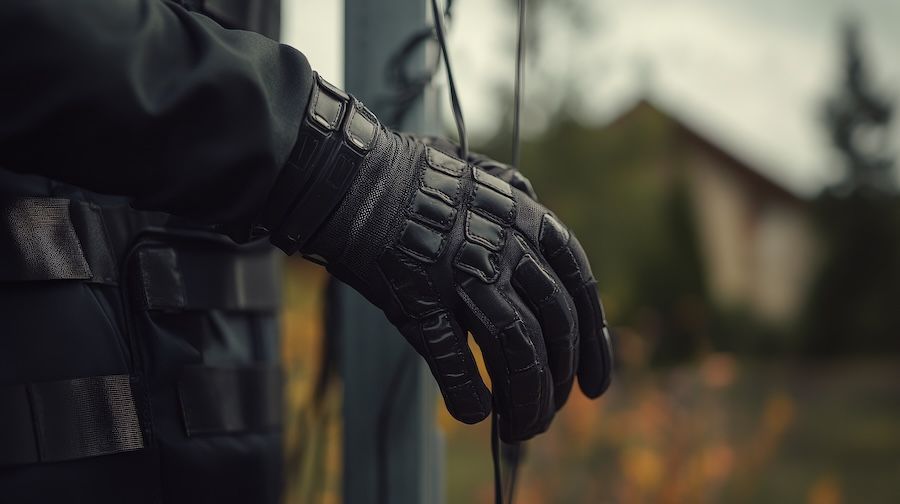
For your hands, you need to find a balance between warmth and dexterity. You can't perform complex tasks if you can't feel your fingers. Many tactical glove systems use a layered approach, with a thin inner liner that allows for dexterity and a warmer outer glove or mitten that can be taken off and put on quickly. Look for gloves with materials like Thinsulate for warmth and a design that still lets you use your fingers.
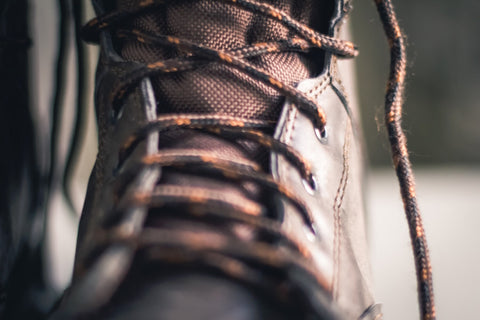
For your feet, the right socks are just as important as the right boots. Wearing a thin, moisture-wicking liner sock under a thick wool sock can help keep your feet dry and warm. Your boots should be insulated, waterproof, and have a good grip for walking on ice and snow.
Adjusting Your Gear for Snow and Ice
Operating in snow and ice requires special adjustments to your gear. The biggest challenge is mobility. Snow can slow you down and make every step a huge effort. A modular system is perfect for this. You can add or remove layers as needed.
For example, you can wear a waterproof shell over your plate carrier or vest. This protects your gear from snow and ice buildup. You can also use snow gaiters to keep snow from getting into your boots and freezing your socks.
Specialized accessories can also make a big difference. Using crampons or ice grippers on your boots can give you the traction you need on slick surfaces. Also, consider the materials your gear is made from. Some plastics can become brittle in extreme cold and break easily. Choosing gear with durable hardware that is rated for low temperatures is a smart move. When you're working in a snowy or icy environment, it's not just about staying warm; it's about being able to move safely and efficiently.
Cold Weather Gear from PSP Corp
At PSP Corp, we understand the unique challenges faced by first responders and military personnel operating in Canada's harsh winter conditions.
Our selection of cold weather tactical gear is specifically chosen for its performance, durability, and reliability in freezing temperatures. We offer a comprehensive range of products, from base layers made of advanced synthetic materials and merino wool to high-tech outer shells that are waterproof and windproof.
Our tactical footwear includes insulated boots with superior grip for snow and ice, ensuring you can stay on your feet when it counts. We also carry a wide variety of gloves, hats, and other accessories to protect your hands and head.
When it comes to your kit, we offer bags and packs that are built to withstand the cold and keep your essentials safe and dry. Our team of experts understands the importance of a proper layering system and can help you select the right products to build a kit that works for you. You can trust that our gear is tested and approved for Canada's toughest conditions.
Conclusion: Always Prepared
Cold-weather operations are a true test of a first responder's skill and resilience. The right gear, however, can make all the difference. By understanding the principles of layering, waterproofing, and selecting the right materials, you can prepare your tactical kit to handle anything winter throws at it. It's about more than just staying warm; it’s about maintaining your mobility, your focus, and your safety in a demanding environment.
Take the time to assess your current gear, make the necessary adjustments, and invest in high-quality products. When you’re prepared, you can face the cold with confidence, knowing you have the right equipment to do your job and serve your community, no matter the season.