Top 10 Must-Have Items for a Tactical Medical Kit


In emergencies, seconds matter. Whether you are an EMS professional, paramedic, law enforcement officer, or a civilian preparing for high-risk scenarios, a well-stocked tactical first aid kit can be the difference between life and death. However, a tactical medical kit isn’t about having everything under the sun. It’s about having the essentials that let you act fast and confidently in high-stress situations.
But what exactly should go into a tactical one? Below, we break down the top 10 must-have items for a tactical medical kit, explaining each tool’s purpose, why it matters, and how it contributes to saving lives in high-stakes situations.
Why a Tactical First Aid Kit Is Different
Before diving into the checklist, it’s important to understand the difference between a basic first aid kit and a tactical first aid kit.
Unlike a standard first aid kit, a tactical medical kit is designed for trauma care in the field, where resources are limited, environments are unpredictable, and critical injuries require immediate intervention. They often contain bandages, antiseptics, and over-the-counter medication.
Basic first aid kits, on the other hand, are meant for everyday injuries: cuts, scrapes, minor burns, or headaches. Tactical first aid kits, on the other hand, are built for trauma care - gunshot wounds, blast injuries, severe bleeding, or airway compromise. They contain specialized tools that allow a responder to stabilize a patient until professional medical help is available.
For EMS, military, and field medics, having these tools readily accessible isn’t just useful - it’s mission-critical.
The Top 10 Must-Have Items for a Tactical Medical Kit
Here’s the checklist of essential items, each explained in detail.
1. Tourniquets
When it comes to stopping severe bleeding, tourniquets are one of the most effective tools you can carry. They work by cutting off blood flow to a limb so you can control life-threatening hemorrhages until advanced care is available. A high-quality tourniquet should be easy to apply with one hand, because in the field, you may need to use it on yourself.
Pro tip: Always carry more than one tourniquet. Bleeding injuries often involve multiple limbs, and improvised solutions don’t work as reliably as a proper device.
Why it’s essential:
Uncontrolled bleeding is the leading preventable cause of death in trauma scenarios. A high-quality tourniquet can stop life-threatening arterial bleeding within seconds.
How it’s used:
- Applied above the wound on an arm or leg.
- Tightened until bleeding stops.
- Should be easy to apply one-handed in case the responder is injured themselves.
What to look for:
- Durable materials (nylon, reinforced windlass).
- Quick-release mechanisms.
- Tested models like the CAT (Combat Application Tourniquet) or SOF-T.
2. Hemostatic Gauze
Sometimes direct pressure isn’t enough, especially with deep or irregular wounds. Hemostatic gauze is treated with clotting agents that help blood stop flowing faster. When packed into a wound, it works together with pressure to control bleeding in areas where a tourniquet can’t be applied, like the torso or neck.
It’s a must-have in your tactical first aid kit because it buys precious time before surgical care is available.
Why it’s essential:
In situations where a tourniquet isn’t possible (like torso or neck wounds), hemostatic gauze is critical. It’s infused with clotting agents that help blood coagulate faster.
How it’s used:
- Packed directly into the wound cavity.
- Combined with direct pressure for maximum effectiveness.
What to look for:
- Z-folded gauze for easy deployment.
- Products with proven clotting agents such as kaolin or chitosan.
3. Chest Seals
Chest injuries can be particularly dangerous if they cause air to build up around the lungs. Chest seals are designed to close open chest wounds and prevent a collapsed lung, which can be fatal if not treated right away.
Most kits carry vented chest seals, which allow trapped air to escape while keeping air from entering the chest cavity. They’re simple to apply and can keep someone stable until advanced care takes over.
Why it’s essential:
A gunshot or penetrating wound to the chest can cause a tension pneumothorax (collapsed lung), which is life-threatening. A chest seal prevents air from entering the chest cavity while allowing trapped air to escape.
How it’s used:
- Applied directly over the wound.
- Some kits include vented chest seals, which are especially effective in managing pressure buildup.
What to look for:
- Strong adhesion (even on sweaty or bloody skin).
- Vented seals with one-way valves.
Splints
Broken bones and severe sprains need stabilization to prevent further injury. Lightweight, flexible splints can be molded to fit different body parts and provide the support needed to keep an injury from worsening.
Even in a tactical setting, comfort matters. A properly applied splint reduces pain and helps prevent additional complications.
5. Nasopharyngeal Airway (NPA)
Airway management is a critical part of trauma care. An NPA helps keep the airway open when a patient is unconscious or struggling to breathe. It’s inserted through the nose and designed to stay in place, even if the patient moves.
It’s a small, lightweight piece of equipment, but it can make all the difference in keeping someone oxygenated until further treatment is possible.
Why it’s essential:
Airway obstruction is another leading preventable cause of death in trauma. An NPA helps maintain an open airway in unconscious or semi-conscious patients.
How it’s used:
- Lubricated and inserted through the nostril.
- Bypasses obstructions like the tongue falling back.
What to look for:
- Soft, flexible material.
- Multiple sizes (28–34 French).
- Comes with lubricant for insertion.
6. Medical Gloves
Gloves might not seem as “tactical” as some of the other gear on this list, but they’re essential for protecting both you and the patient. In high-stress environments, it’s easy to forget about safety, but bloodborne pathogens are a real risk.
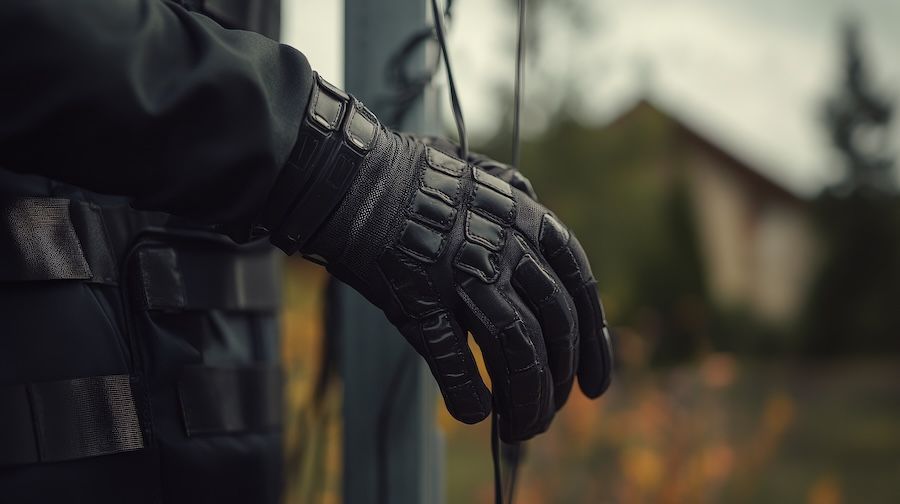
Always carry several pairs of durable, latex-free gloves in your kit. They should be the first thing you reach for before any other treatment.
Why it’s essential:
Gloves protect both the patient and the responder from infection and cross-contamination. They’re non-negotiable in any kit.
7. Trauma Shears
You can’t treat what you can’t reach. Trauma shears let you quickly cut through clothing, belts, or gear so you can get to an injury fast. Unlike regular scissors, they’re built to handle tough materials without injuring the patient.
Keep them in an accessible spot in your kit, not buried at the bottom - you’ll use them more often than you think.
Why it’s essential:
Clothing can get in the way of treatment. Trauma shears are designed to cut through fabric, belts, or even light metal quickly, giving immediate access to wounds.
How it’s used:
- Cut along seams of clothing to expose injuries.
- Rounded tips prevent accidental injury while cutting close to the skin.
What to look for:
- Stainless steel blades.
- Non-slip grip.
- Compact but sturdy design.
8. Pressure Dressings
Not every wound calls for a tourniquet, but uncontrolled bleeding is still a top priority in trauma care. Pressure dressings are designed to keep firm, consistent pressure on a wound, which helps stop bleeding when a tourniquet isn’t necessary. They’re quick to apply and stay secure even in active situations.
Look for dressings with an elastic wrap and built-in pressure bar. These make it easier to maintain compression without constantly adjusting.
Why it’s essential:
Beyond tourniquets, pressure dressings provide another method to stop bleeding when applied firmly to wounds.
How it’s used:
- Wrapped tightly around wounds to maintain pressure.
- Used alongside gauze for deeper injuries.
What to look for:
- Elastic, stretchable bandages.
- Built-in clips or Velcro for secure fastening.
9. Emergency Blanket
Shock is one of the leading killers in trauma situations, and hypothermia makes it worse. A compact blanket can help keep a patient warm and reduce the effects of shock. It takes up almost no space in your kit, but it’s an invaluable tool for patient care.
Why it’s essential:
Shock isn’t just about blood loss, it also results from the body losing heat. Emergency blankets help maintain a patient’s core temperature and reduce hypothermia risk.
10. Marker and Casualty Card
It might surprise you that a marker makes the top 10 list, but clear communication is vital in emergencies. When you apply a tourniquet, you need to mark the time directly on it so other responders know how long it’s been in place. You can also use it to note vitals or important details on a patient’s skin or clothing.
It’s simple, lightweight, and easy to overlook - don’t leave it out.
Why it’s essential:
In chaotic environments, communication matters. Writing down injury details, treatments given, and the time of interventions helps pass critical information to higher-level medical teams.
How it’s used:
- Mark tourniquet application time directly on the patient’s skin or on a casualty card.
- Used for tracking vitals or treatment notes.
Additional Items to Consider
While the above 10 items are non-negotiables for any tactical medical kit, professionals often supplement with:
- CPR masks for safe resuscitation.
- Burn dressings for fire or chemical-related injuries.
- Antiseptics and wipes for wound cleaning.
These additions depend on the environment—military, wilderness, urban, or EMS-specific settings.
Beyond the Gear: How to Build and Maintain Your Tactical First Aid Kit
Having the right items is only half the battle. The way you set up and maintain your kit determines how effective it will be in the field.
Organize by priority. Place lifesaving tools like tourniquets and chest seals in easy-to-grab spots. Items you’ll use less often, like splints or blankets, can sit deeper in the bag.
Check regularly. Medications, hemostatic gauze, and chest seals all have expiration dates. Replace items as they expire, and inspect the rest of your kit every few months.
Practice access. You should be able to reach your most important gear without thinking. Practice applying tourniquets, dressings, and chest seals until it feels automatic.
Training Matters as Much as the Kit
Even the best tactical first aid kit won’t help if you don’t know how to use it. Every item on this list requires at least some training to be used effectively. Hands-on courses in bleeding control, airway management, and trauma response are invaluable for anyone carrying this type of kit.
Practice with your gear before you need it. Open the packages, understand how each tool works, and run through different scenarios. In a real emergency, muscle memory and confidence make all the difference.
Tactical Medical Kit: The Bottom Line
A tactical first aid kit isn’t about packing every medical supply you can think of. It’s about choosing the essentials that let you act fast, stabilize injuries, and keep someone alive until advanced care arrives.
Tourniquets, pressure dressings, hemostatic gauze, and chest seals take the top spots, but don’t underestimate the importance of simple tools like shears, gloves, and even a marker.
Your kit is only as good as your preparation. Stock it well, check it often, and train with it regularly. When the moment comes, you’ll be ready to use every item with confidence.