Personal Defense Gear for Off-Duty Officers: Staying Prepared at All Times


When you're off the clock, it's easy to fall into the mindset that your guard can come down. You're out of uniform, maybe in jeans and a hoodie, running errands or grabbing coffee. It feels like a break from the responsibility that comes with the badge.
But the truth is, the world doesn’t pause just because you're not wearing a vest or carrying a radio. Threats don’t punch a timecard, and your instinct to protect never really shuts off.
Being off-duty doesn’t mean you're out of the game. It means you’re operating in a different environment, often with more distractions and fewer resources. That’s exactly why personal defence gear matters. You still have the training, the awareness, and the responsibility to act if something goes sideways. But now you need tools that work in everyday situations without drawing attention or raising alarm.
Your goal isn’t to gear up like you're heading out on a warrant. It’s about being smart, subtle, and ready.
The gear you carry off-duty needs to fit seamlessly into your daily life. Think discreet holsters, tactical pens that double as writing tools, and small flashlights you can clip to your pocket. Maybe it’s a slim medical kit in your bag or a personal alarm for quick backup. These are items that won’t weigh you down but can make all the difference when seconds count.
Being prepared off-duty is about safety, but it’s also about confidence. You move through the world knowing that if something happens, you’re not just a bystander. You're ready to step in, even if no one else knows it.
The Off-Duty Mindset: Situational Awareness Comes First
You can carry the best gear money can buy, but if your head’s not in the right place, it won’t do you much good.
Awareness is always your first line of defence. That’s not about being paranoid. It’s about staying alert to your surroundings and knowing what’s happening around you before you’re forced to react.
Start with something simple: pay attention to entrances and exits wherever you go. Whether you're at a restaurant, a grocery store, or a gas station, know where your options are if you need to move fast. Take a quick mental note of who’s around you. Trust your gut when something feels off. You’ve built this instinct on the job, and it applies just as much when you're off it.
It’s easy to relax too much when you're in familiar spaces. That’s where complacency sneaks in. You know the neighbourhood, you’ve been to the same spots a hundred times, and it all feels safe. But safe doesn’t mean immune. Bad things can happen anywhere, and often when people least expect it. You don’t need to be tense or uncomfortable, just engaged.
Building strong situational habits can be as simple as putting your phone away when walking to your car or making eye contact with people as you pass by. These habits keep you connected to your environment and show others that you're alert.
Off-duty doesn’t mean off-mission. It just means you’re blending in while still staying sharp.
Concealed Carry Done Right: Holsters, Belts, and Clothing
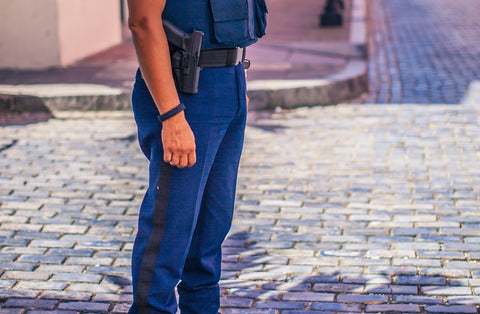
If you carry off-duty, you know the setup matters. It’s not just about having a firearm on you. It’s about being able to access it quickly, safely, and without tipping anyone off. That starts with the right holster. Comfort and concealment are key, but access has to be smooth under pressure.
Appendix carry is popular because it gives you fast access and better retention in close quarters. But it’s not for everyone. Some prefer carrying on the hip or even ankle carry when sitting a lot throughout the day. The best position for you depends on your build, your usual clothing, and how you move. You want a draw that feels natural, not awkward or stiff.
Don’t underestimate the belt. A good carry belt does more than hold your pants up. It keeps your holster secure and steady so your draw is consistent. Regular belts often sag or shift, which messes with access. Go with something designed for concealed carry, even if it looks like a basic leather or nylon option.
Then there’s your clothing. You don’t have to change your whole wardrobe, but it's worth thinking about shirts that won’t print and jackets that help with concealment.
Layering helps, and so does choosing darker colours and flexible fabrics. And of course, always know what’s legal where you are. Each province, state and city has different rules around carrying off-duty. Stay updated so you don’t end up dealing with legal trouble for simply doing what you’re trained to do.
Compact Tools with Big Impact: Tactical Pens, Flashlights, and Knives
Not every situation calls for a firearm. In fact, many off-duty incidents are better handled with non-lethal tools. That’s where compact gear really shines.
Tactical pens, small flashlights, and folding knives can give you options when you need to act fast without escalating the situation too far.
A tactical pen might look like a regular writing tool, but it gives you an edge when things get close. It can be used for strikes or control techniques, but it also works just fine on paper, which means no one bats an eye when you carry one. They’re durable, lightweight, and legal pretty much everywhere, which makes them one of the easiest tools to integrate into your daily life.
Then there’s the flashlight. A good one isn’t just for lighting your path. It can disorient a threat, signal for help, or give you visual control in dark environments. Pocket-sized models with high lumens and strobe settings are ideal. Clip it to your pants or your bag, and you’ll barely notice it until you really need it.
Knives are another solid choice, but they come with responsibility. A quality folding knife can be used for utility tasks or in a defensive pinch. Make sure it has a secure grip, quick deployment, and that you’re familiar with the local laws about blade length and carry rules. Just like with firearms, knowing when and how to use one matters just as much as carrying it.
The best part about these tools is how easily they fit into your routine. You don’t need to load up a duty belt. You just slip them into your pockets and go about your day. They're simple, effective, and ready when you are.
Technology in Your Corner: Personal Alarms, Smartwatches, and Tracking Devices
Your tech can be a powerful part of your personal defence plan. A loud, high-pitched personal alarm can throw off an aggressor or draw attention when you need help. It doesn’t rely on Wi-Fi or a mobile signal, and most models are small enough to clip onto your keys or belt. When you're out walking the dog, jogging in the early morning, or even just grabbing groceries with your family, a simple alarm can give you a little extra peace of mind.
Smartwatches and safety apps go a step further. Some wearables allow you to send out a silent SOS or alert pre-set contacts with your GPS location. These tools are especially useful if you're in an unfamiliar area or on your own. You can’t always count on your phone being in your hand or easily accessible in the moment, but a quick tap on your wrist can let someone know something’s wrong.
Tracking devices like discreet GPS tags can also come in handy. You can use them to keep tabs on valuables, your vehicle, or even your kid’s backpack. It’s a simple way to stay connected without hovering.
However, these tools aren't about control. They’re about staying informed and ready to act if something goes sideways. Whether you're using tech for personal alerts or to keep track of what matters most, it’s worth investing in tools that fit easily into your daily routine and don’t draw attention.
Minimalist Medical: Small Kits That Save Lives
You already know how important it is to respond quickly in an emergency. Having medical gear close at hand makes a big difference.
You don’t need a full trauma bag strapped to your back every time you step out, but carrying a few key items can save a life. Tourniquets, pressure bandages, and chest seals aren’t just for major incidents, they’re for any situation where time is critical and help is a few minutes too far away.
Everyday carry (EDC) medical kits are designed to be small and portable. Some fit into a glove box, while others are made to slip into ankle pouches or slim waist packs. You can even stash one in your backpack without it taking up much space. The key is to make sure it’s always with you, not just sitting at home in a drawer.
But gear alone doesn’t do the work. If you’re carrying medical tools, it’s important to know how to use them. Even a short first aid course or refresher can boost your confidence.
Having the tools and the know-how can help you take control when things get chaotic. It’s not about stepping in as a medic, it’s about keeping someone stable until EMS arrives. And that someone might be a stranger, a loved one, or even you.
Layering Smart: Bags, Organizers, and Everyday Gear Management
Carrying extra gear doesn’t have to mean looking like you’re heading into the field. A good bag setup helps you stay organized and ready without drawing attention.
Whether it’s a low-profile sling pack, a well-built messenger bag, or just a regular-looking backpack, the right EDC bag should hold your essentials and blend into your surroundings.
Think of your gear in layers. Some items belong on your person, within easy reach. Others can live in your bag or your vehicle. A flashlight, multi-tool, or tourniquet might go on your belt or in a pocket, while a spare phone charger, medical kit, or extra magazines can stay tucked in your bag.
Organizers and pouches help you avoid clutter so you’re not fishing around in a panic when seconds count.
You don’t need to carry everything every day. What you pack should depend on where you’re going, who you’re with, and how long you’ll be out. But having a consistent system makes it easier to stay ready.
You know where things are, how to get to them fast, and when it’s time to restock or switch things out. Keeping your gear manageable is what keeps it useful.
Conclusion: Always Ready, Always Responsible
You’re never really off-duty. That doesn’t mean you have to walk around tense or on edge. It just means being thoughtful about how you move through your day and what you carry with you.
Preparation is part of your identity, and that mindset doesn’t change when the uniform comes off.
The right tools help you stay calm and capable in a crisis. They don’t make you paranoid, but practical. Whether you’re running errands, spending time with your family, or out on your own, the goal is the same: get home safe.
Being off-duty just means your gear looks a little different. The purpose stays the same.