Essential Safety and Survival Gear for Journalists in High-Risk Environments


Being a journalist means stepping into situations others might avoid. Whether you're reporting from conflict zones overseas, covering protests in your own city, or investigating organized crime, you face risks many don’t see. Your job is vital, but it shouldn’t come at the cost of your safety.
Taking steps to prepare for the dangers you might encounter is part of the work.
The right gear can make all the difference. It’s not just about protecting yourself from physical harm - it’s about ensuring you can do your job effectively without worrying about what might happen next. This gear helps you stay mobile, document stories safely, and respond if things go wrong.
Many tools used by law enforcement and military professionals can be adapted for journalists, providing reliable protection without slowing you down. You don’t need to be weighed down with heavy equipment, but choosing the right protection and essentials is super important.
This article will walk you through some of the key gear every journalist should consider. It’s about staying prepared, confident, and safe while bringing important stories to light.
Understanding the Risk Landscape: From Protests to War Zones
Journalists often face unpredictable and volatile environments. You could be reporting from a peaceful city street one day and covering a riot or armed conflict the next. Even assignments close to home can turn dangerous quickly. Knowing the types of risks you might face helps you prepare accordingly.
Civil unrest, for example, can escalate without warning. Demonstrations may seem peaceful at first, but tensions can flare, and crowds may become hostile. Remote or unstable regions present other challenges, including a lack of medical support and difficulty communicating. Hostile communities may view reporters with suspicion, making it harder to move safely. War zones are some of the most dangerous places to work, for obvious reasons.
Planning ahead for potential threats is not alarmist, it’s smart. Protecting yourself against physical harm, having gear for medical emergencies, and safeguarding your equipment all play a role in helping you complete your mission.
When you’re prepared, you can focus more on the story and less on the unknowns around you.
Body Armour and Ballistic Protection: What You Should (and Can Legally) Wear
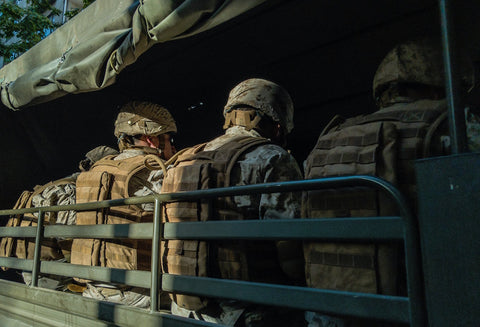
Wearing body armour is often seen as standard for military or police personnel, but many journalists now rely on similar protection when reporting from risky areas. There are several options depending on the level of threat and what you need to carry.
Soft armour offers flexible protection that’s easy to wear under clothing. It guards against handgun rounds and some fragments, but doesn’t restrict your movement.
Hard plates provide extra defence against rifle rounds but are heavier and bulkier. Plate carriers allow you to add or remove plates depending on the situation, giving you flexibility.
It’s important to know the legal limits on body armour where you live and where you’ll be reporting. In Canada, possession of body armour is generally legal, but there may be restrictions internationally. Checking local laws and customs is essential.
Also, generic gear from big-box stores often doesn’t meet professional standards. Trusted suppliers like PSP Corp provide NIJ-rated armour that’s tested and reliable, ensuring you get real protection when it matters most.
Medical and Trauma Kits: Be Your Own First Responder
In high-risk environments, emergency medical help may not be right around the corner. That’s why having a compact trauma kit is critical. Individual First Aid Kits, or IFAKs, are designed to give you the tools to treat serious injuries immediately and potentially save your own or a colleague’s life.
A well-stocked trauma kit usually includes a tourniquet, pressure dressings, chest seals for penetrating wounds, and gloves to keep things sanitary. Adding a compact pair of shears and an emergency blanket is helpful, too. It’s best to customize your kit based on your assignment; consider the environment, the length of your trip, and the likelihood of different injuries.
Carrying a trauma kit isn’t about expecting the worst, but being ready for it. These kits are small enough to fit into your bag or even a pocket and should be easy to access quickly. Training yourself to use this gear properly is just as important as carrying it. Having the right equipment can make the difference between life and death in the field.
Field Bags and Loadout Setups for Mobility
When you’re on the move, how you carry your gear matters just as much as what you carry. Journalists often juggle multiple tools, from cameras and batteries to protective equipment and notebooks - and the right bag can keep everything accessible without weighing you down.
Sling packs and everyday carry (EDC) backpacks are popular choices because they offer quick access and help you stay mobile. These bags usually have compartments designed to keep gear organized and protected while maintaining a low profile.
Chest rigs are another option, especially if you need to carry heavier protective items like body armour plates or medical kits. They distribute weight evenly and keep your hands free for your work. Padded camera bags with MOLLE compatibility can also serve double duty by allowing you to attach extra pouches for tactical gear or first aid supplies.
Comfort is key - look for adjustable straps and breathable materials that won’t slow you down during long days in the field.
Organizing your loadout so you can grab what you need without fumbling is one of the most important things, too. Think about what gear you use most and place it within easy reach. Balancing your kit means you’re prepared but not overburdened. The goal is to stay ready for anything without drawing attention or compromising your ability to move swiftly.
Communication and Backup Tools That Keep You Connected
Staying connected is essential, especially when you’re reporting from remote areas or volatile situations where cell service is unreliable. Reliable communication tools not only help you send your story back but can be lifesaving in emergencies. Encrypted messaging apps are a must-have for protecting sensitive information and staying in touch with your team securely.
Satellite phones provide a backup when mobile networks fail, ensuring you’re never completely cut off. Small tracking devices like AirTags can help your crew locate your gear or alert someone if you’re separated or in trouble. Portable power banks keep your devices charged, which is critical when access to electricity is limited.
Waterproof notepads and pens are simple but vital tools that ensure you can keep notes even in bad weather.
Having multiple communication methods and redundant backups helps you adapt to unexpected challenges. Redundancy isn’t about over-preparing; it’s about making sure you can rely on your gear when it counts most.
Blending In While Staying Prepared: Dress Smart, Stay Safe
How you dress can say a lot about you, and sometimes it can put you at risk. Journalists often work in environments where drawing attention is dangerous. Choosing neutral, non-military clothing helps you blend into crowds and avoid standing out as a target. Tactical gear that’s too obvious can sometimes make you a target or hinder your ability to move freely.
Concealing your protective gear is an art. Layering lightweight body armour under a casual jacket or wearing low-profile backpacks keeps your kit discreet. Understanding the local customs and dress codes also plays a big role in staying safe. In some places, wearing military-style gear could escalate tensions or even get you detained.
There are plenty of options that balance protection and subtlety, letting you stay prepared without shouting “security personnel” to the world. Your goal is to stay safe while being as inconspicuous as possible, helping you do your job without unnecessary risk.
Conclusion: You Can’t Tell the Story If You’re Not Safe
Your safety is the foundation for every story you tell. Without proper preparation and the right gear, you’re putting yourself and your mission at risk. Being equipped with professional-grade protective equipment isn’t just about defence, it’s about giving yourself the freedom to focus on your work, no matter where it takes you.
It’s a good idea to review your current kit and consider where improvements could be made. Trusted suppliers like PSP Corp offer a wide range of gear designed with field professionals in mind and helping you stay safe, mobile, and ready for anything.
Your story matters, but so do you. Taking the time to gear up right means you’ll be there to tell it.