Tactical Gear for First Responders: What Firefighters and Paramedics Need Beyond Standard Equipment

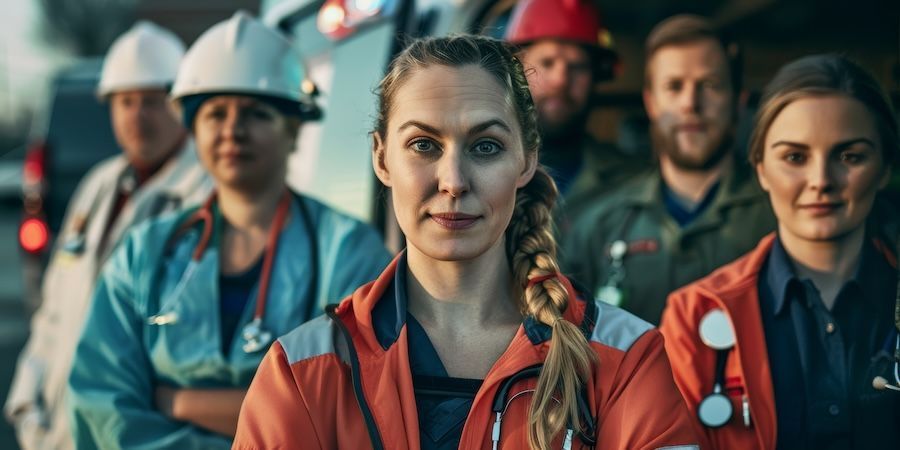
Firefighters and paramedics face life-threatening situations every day, where quick decision-making, adaptability, and specialized gear are crucial for their safety and the safety of others.
While their standard equipment is essential, certain tactical tools can make a significant difference in their ability to perform their duties effectively. This article delves into the unique needs of first responders and the specialized gear that can help them go above and beyond - like multi-tools, trauma kits, and fire-resistant gloves - to ensure they are prepared for every situation.
Unique Needs of First Responders
First responders are often the first line of defense during emergencies, and their gear must cater to highly specific needs. Unlike law enforcement, firefighters and paramedics work in hazardous conditions involving intense heat, smoke, water, and tight spaces.
Each of these conditions requires gear that not only offers protection but also allows them to respond quickly and efficiently.
Firefighters, for instance, must deal with high temperatures, toxic smoke, and collapsing structures. They need gear that is fire-resistant, durable, and functional in low-visibility conditions.
Paramedics, on the other hand, often work in confined spaces, quickly moving patients from unsafe environments to safety. This requires compact, easily accessible tools that allow for rapid intervention.
Both professions need equipment that goes beyond standard issue - gear that enhances their ability to save lives while keeping themselves safe.
Essential Gear Beyond Basic Kits
Standard gear alone is often not enough for the unpredictable nature of emergencies. Having additional tactical gear like multi-tools, trauma kits, and fire-resistant gloves can be game-changing. Multi-tools, for example, are compact and can perform various functions, from cutting seat belts to prying open windows, making them indispensable in situations where every second counts.
Trauma kits are another must-have beyond the standard first-aid kits. While standard first-aid kits contain bandages and antiseptics, trauma kits are equipped with tools like tourniquets, hemostatic gauze, and airways - all critical for managing severe injuries until more advanced medical help arrives. These kits are designed to provide life-saving interventions in the minutes that matter the most.
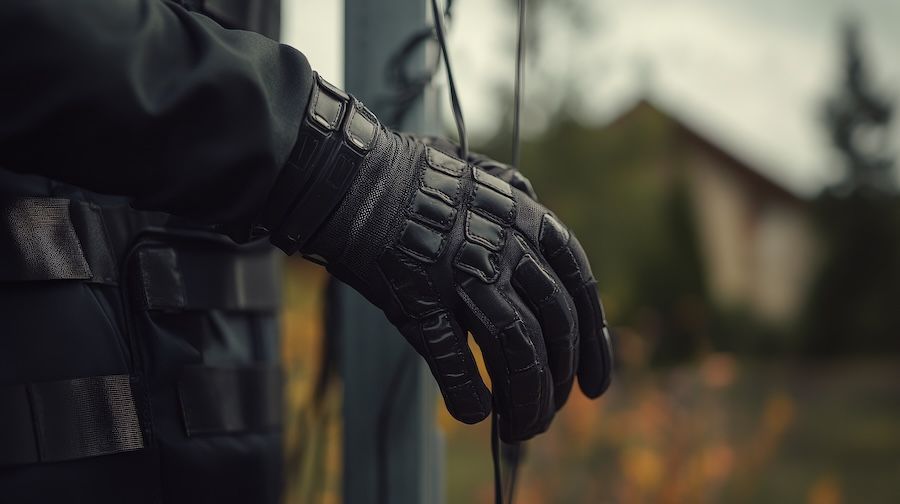
Fire-resistant gloves are also essential for firefighters, allowing them to handle extreme heat without compromising dexterity. Standard gloves are often inadequate for the intense heat firefighters face, but specialized fire-resistant gloves protect hands while allowing precise movements—whether they’re cutting through debris or carrying someone to safety.
Balancing Safety with Practicality
The gear carried by first responders must strike a balance between safety and practicality. Tactical gear should not add unnecessary weight or complexity to their duties.
For instance, multi-tools offer practical versatility without requiring multiple individual tools, making them an ideal addition to any first responder's kit. These tools combine functions like cutting, screwing, and prying, allowing first responders to travel light without sacrificing capability.
Similarly, trauma kits need to be compact and organized. First responders often work in chaotic, high-pressure environments, where fumbling through a bulky kit can cost valuable seconds. Well-designed trauma kits have intuitive layouts that allow paramedics to quickly access what they need without unnecessary delay.
Fire-resistant gloves, while critical for safety, must also provide the flexibility and tactile feedback necessary for precise work. Firefighters often need to operate rescue equipment or manipulate small objects, even in high-heat situations.
Finding gear that offers both protection and the ability to perform intricate tasks is key to ensuring safety and effectiveness.
Gear Durability in High-Stress Scenarios
First responders need gear that can withstand extreme conditions and prolonged use. The durability of tactical gear is crucial, as unreliable equipment can jeopardize not only the success of a mission but also the safety of the responder and those they are trying to save. Fire-resistant gloves, for example, must not only withstand intense heat but also repeated exposure to water, smoke, and sharp objects.
Multi-tools must also be built to last. A flimsy tool that breaks during a critical moment can be the difference between a successful rescue and a failed attempt.
High-quality multi-tools made of stainless steel are more likely to endure the wear and tear that comes with emergency response. Ensuring the gear remains functional after prolonged use is essential, as first responders do not have the luxury of replacing broken tools during an emergency.
Trauma kits, while not as subject to physical wear, must contain high-quality components. Tourniquets that fail to tighten properly or gauze that tears too easily can lead to catastrophic outcomes.
Gear durability is non-negotiable when lives are at stake, and investing in reliable, high-quality equipment should be a top priority for first responders and their organizations.
Customization for Specific Roles
The needs of firefighters and paramedics vary significantly, and their tactical gear should reflect these differences. Customization allows each responder to carry the tools that are most relevant to their role.
Firefighters, for instance, may need specific tools like pry bars, window punches, and heavy-duty gloves, while paramedics may focus more on trauma kits and cutting tools for removing clothing.
Multi-tools designed specifically for first responders often include features such as oxygen tank wrenches, seat belt cutters, and glass breakers, which can be invaluable for paramedics during vehicle extractions. Trauma kits can also be customized based on the specific types of emergencies a paramedic is most likely to encounter. For example, a paramedic working in a rural area may include additional tourniquets and wound dressings for trauma management in remote settings.
Customization also extends to how the gear is carried. First responders should have the option to configure their gear in a way that allows for the fastest, most intuitive access.
Integrating Technology into Gear
Modern technology has found its way into tactical gear, offering solutions that were once unimaginable for first responders. Firefighters and paramedics are increasingly incorporating tech solutions to enhance their efficiency and safety.
Wearable tech, such as smart gloves equipped with heat sensors, can provide firefighters with real-time feedback on temperatures, helping them navigate dangerous environments more effectively.
Similarly, paramedics can benefit from smart trauma kits that include QR codes linked to instructional videos for using certain medical devices. When under pressure, having instant access to instructional content can save lives. Integrating technology into their gear also includes using GPS devices or smart communication tools that help teams coordinate and locate each other in chaotic situations.
Technology can also improve the tracking and inventory management of gear.
First responders often face situations where supplies run low, and knowing exactly what equipment is available at any moment can be a game-changer. RFID tags or other tracking technology can help ensure that all necessary equipment is accounted for and ready to use, reducing the risk of running out of essential supplies during critical moments.
Conclusion: Equipping First Responders for Success
Firefighters and paramedics work in some of the most challenging conditions imaginable, and having the right tactical gear can make all the difference in their ability to save lives while staying safe themselves.
From versatile multi-tools and trauma kits to fire-resistant gloves and the integration of modern technology, the tools that first responders carry go far beyond the basics. Ensuring that their gear is durable, practical, and customized to their specific roles is key to meeting the demands of these high-stress environments.
By providing first responders with the best possible gear and training, we can help ensure that they are equipped to handle any challenge, protect themselves, and serve the communities that rely on them.
Investing in high-quality tactical equipment means investing in the safety and effectiveness of those who risk their lives for others every day.