How to Maintain and Extend the Life of Your Tactical Gear


When you buy tactical gear, you're not just adding another tool to your kit. You're making an investment in your safety, your performance, and your peace of mind. Whether you’re in law enforcement, private security, or the military, your gear has a job to do, just like you.
But even the most reliable equipment needs a bit of care to stay mission-ready. It doesn’t take much for a small issue to become a serious problem.
A frayed strap can slow you down. Worn Velcro can affect how your gear fits. Damaged body armour? That’s not a risk worth taking. The truth is, gear can’t protect you properly if it’s not in good condition.
Tactical gear isn’t cheap, either. When you take care of it, you protect your budget as much as your body. A regular maintenance routine means fewer replacements, fewer surprises, and better performance overall. You get more life out of your gear, and more confidence using it.
In this article, you'll find practical tips for cleaning, storing, and inspecting your equipment. We’ll also include a simple checklist you can follow to keep your gear in top shape. It doesn’t take long, but it makes a big difference.
Know What You’re Working With: Materials and Weak Points
Not all tactical gear is made the same. Before you can maintain it properly, you need to understand what it’s made of and where it's most likely to wear out. This helps you avoid using the wrong products or cleaning methods and gives you a better sense of when repairs or replacements might be needed.
You’ve probably seen materials like nylon, Cordura, leather, and Velcro across your gear. Each one has its own strengths and weak spots.
Nylon is tough but can weaken with UV exposure. Cordura is abrasion-resistant, but stitching can loosen over time. Leather needs moisture control to stay flexible. Velcro loses grip when it gets clogged with lint or dirt. Then there are hard materials like ceramic, steel, or polymer used in armour and helmets. They’re built to take hits but can still crack or delaminate if dropped or stored poorly.
Pay attention to the areas that move or carry the most weight; things like shoulder straps, buckles, MOLLE attachments, and zippers. These points see the most stress. Over time, even the toughest stitching can give way. Keeping an eye on these areas helps you catch damage early.
Knowing what your gear is made of isn’t just interesting, but useful as well. It helps you clean it the right way, store it safely, and decide what kind of wear is normal versus what might be a red flag. It’s also something we take seriously at PSP Corps, where gear selection always starts with durability in mind.
Cleaning Your Gear the Right Way
A good clean doesn’t just make your gear look better. It helps it last longer, work better, and stay safe to use. Dirt, sweat, and moisture can break down materials over time.
But there’s a right way to clean tactical gear - and a few wrong ways you’ll want to avoid.
Start with your body armour. Soft panels should never go in the wash. Instead, remove them from the carrier and wipe them down with a damp cloth. Avoid soaking or submerging them. The carrier itself, if machine washable, should be washed on a gentle cycle with cold water. No bleach, no fabric softener, and definitely no dryer. Let it air dry flat, out of direct sunlight.
Hard armour plates need even more care. Use a clean, soft cloth to wipe off dust and debris. If they’ve been exposed to sweat or water, dry them completely before storing. Avoid any kind of abrasive scrubbing that might damage the surface or seal. Don’t forget your helmet; wipe it down regularly and check inside for moisture buildup.
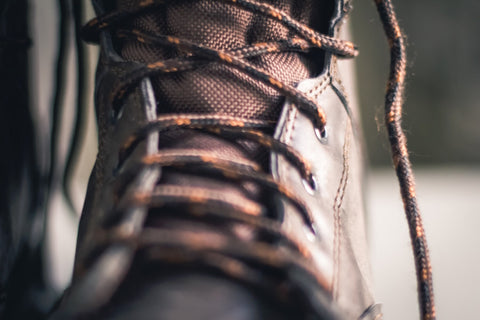
When it comes to gloves, boots, uniforms, and pouches, check the tags first. Most can handle machine washing, but cold water and air drying are still your safest bets. Leather gloves need a special cleaner to stay soft and flexible. Use a soft brush to clean Velcro, and pick out any debris that might keep it from sticking properly.
Skip the harsh chemicals. Avoid anything that’s alcohol-based, highly scented, or oil-heavy. These can break down fibres and coatings fast. And never throw ballistic gear in the dryer. Heat can warp materials and mess with performance. Stick to low-impact, consistent care, and you’ll get a lot more use out of everything.
Storage Habits That Protect Your Gear
The way you store your gear can either extend its lifespan or quietly wear it down. Tossing everything in a bag after a shift might be easy, but it’s not doing your gear any favours.
Heat, moisture, and UV light are some of the biggest enemies of tactical equipment, and most of the damage they cause happens while gear is just sitting around.
Try to store your gear in a dry, cool space. That means away from windows, heaters, and damp basements. Moisture can lead to mould and rust, especially on metal parts like zippers, buckles, or weapon accessories. Even tough fabrics can break down when they’re kept in humid conditions.
Don’t pile heavy items on top of your gear, especially body armour or helmets. Constant pressure can compress foam or deform hard plates over time. Hang vests on wide hangers so the shoulders don’t stretch out. Keep gloves and boots upright to hold their shape, and make sure they’re completely dry before you put them away.
If your gear came with a storage bag or case, use it. These are usually designed to keep gear ventilated while protecting it from dust and light. For gear that’s not in regular use, consider rotating it in and out of storage so it doesn’t sit idle for too long.
Inspecting Your Gear Like a Pro
It doesn’t take long to give your gear a quick once-over, and that habit can save you a ton of trouble. A small issue today (like a fraying strap or worn Velcro) can turn into a major failure down the line if it goes unnoticed.
Get into the routine of inspecting your gear before and after every use. You’re already handling it, so it’s not a big lift to give it a proper look.
Start with the basics. Check for loose stitching along seams, especially where stress is highest like shoulder straps, pockets, and belt attachments. Look at buckles, zippers, and clips. Are they still locking in tight, or do they feel a bit off? Those are warning signs.
Soft armour needs extra attention. Over time, moisture and constant movement can wear it down. Watch for signs of warping, bubbling, or delamination. If something feels stiff or brittle when it shouldn’t, that’s a red flag.
Don’t forget hard gear either. Helmets, plates, and polymer accessories can develop cracks or chips from repeated impacts. Metal parts like clasps or mounts might show rust or corrosion, especially if exposed to moisture or sweat. And if your gear includes any ballistic components, be mindful of expiry dates. Ballistic protection isn’t good forever, and using it past its life span puts you at risk.
Make a habit of rotating stored gear too, so everything gets regular attention.
Repair or Replace? Making Smart Decisions
Not every tear or loose thread means you’re tossing gear in the trash. In a lot of cases, small fixes can be handled with basic tools and a bit of patience.
If a strap comes loose or a buckle breaks, replacing that single part is usually enough to keep everything working as it should. Keep a simple repair kit on hand; thread, needles, Velcro strips, zip ties, and strong adhesive can take care of a surprising number of issues.
But some problems are out of reach for a DIY fix. If a seam is ripping apart at a stress point or a piece of hard gear is showing deep structural damage, it’s time to involve a pro. There are repair services that specialize in tactical gear and know how to reinforce materials without compromising performance.
And if you’re working with something like body armour or a cracked helmet, don’t take chances. When the core integrity is compromised, replacement is the only safe choice.
The best rule of thumb? If it’s cosmetic, it’s probably fixable. If it impacts function or safety, it’s time to let it go. Your gear is there to protect you. If you’re doubting whether it still can, that’s already your answer.
Build a Maintenance Routine (With a Simple Checklist)
One of the easiest ways to stay on top of gear care is to build it into your routine. If you treat cleaning and checking your gear like brushing your teeth, you won’t let it slip. It doesn’t need to be complicated. Just consistent.
Daily habits can be simple. Give everything a quick wipe-down after use, especially if it’s been exposed to sweat, dirt, or weather. Check high-stress areas and confirm your gear is clean and dry before storing it. Weekly, do a more thorough inspection. Look for signs of wear and take note of anything you need to repair or replace soon. If anything looks or feels off, don’t leave it for later. Take action right away.
Once a month, go through everything. Clean items that don’t get used as often. Check expiry dates, test buckles and closures, and rotate items in long-term storage. This is a good time to reassess what’s in your kit too. If something hasn’t been used in a while or is no longer mission-ready, swap it out.
To make this easier, create a simple checklist.
Break it down by gear type - armour, carriers, pouches, boots, gloves, helmets. Include cleaning, inspection, and storage steps. If you work with a team, make it a group effort. Set shared reminders, assign responsibilities, and check in on progress. It keeps everyone accountable and mission-ready.
Conclusion: Take Care of Your Gear, and It’ll Take Care of You
Your gear works hard. It’s there in tough conditions, high-pressure situations, and long shifts. A few extra minutes here and there to clean, inspect, or store it properly can make a big difference. You're not just preserving materials, you're protecting performance and, more importantly, you.
Tactical gear isn’t cheap. And good gear shouldn’t have to be replaced early just because of preventable wear. With the right habits, you’ll get more out of your investment, avoid unnecessary expenses, and know you can count on your gear when it matters most.
You rely on your equipment to do its job. That means giving it the care it needs to keep showing up for you. Treating your gear like it matters isn’t extra work. It’s part of being prepared.